
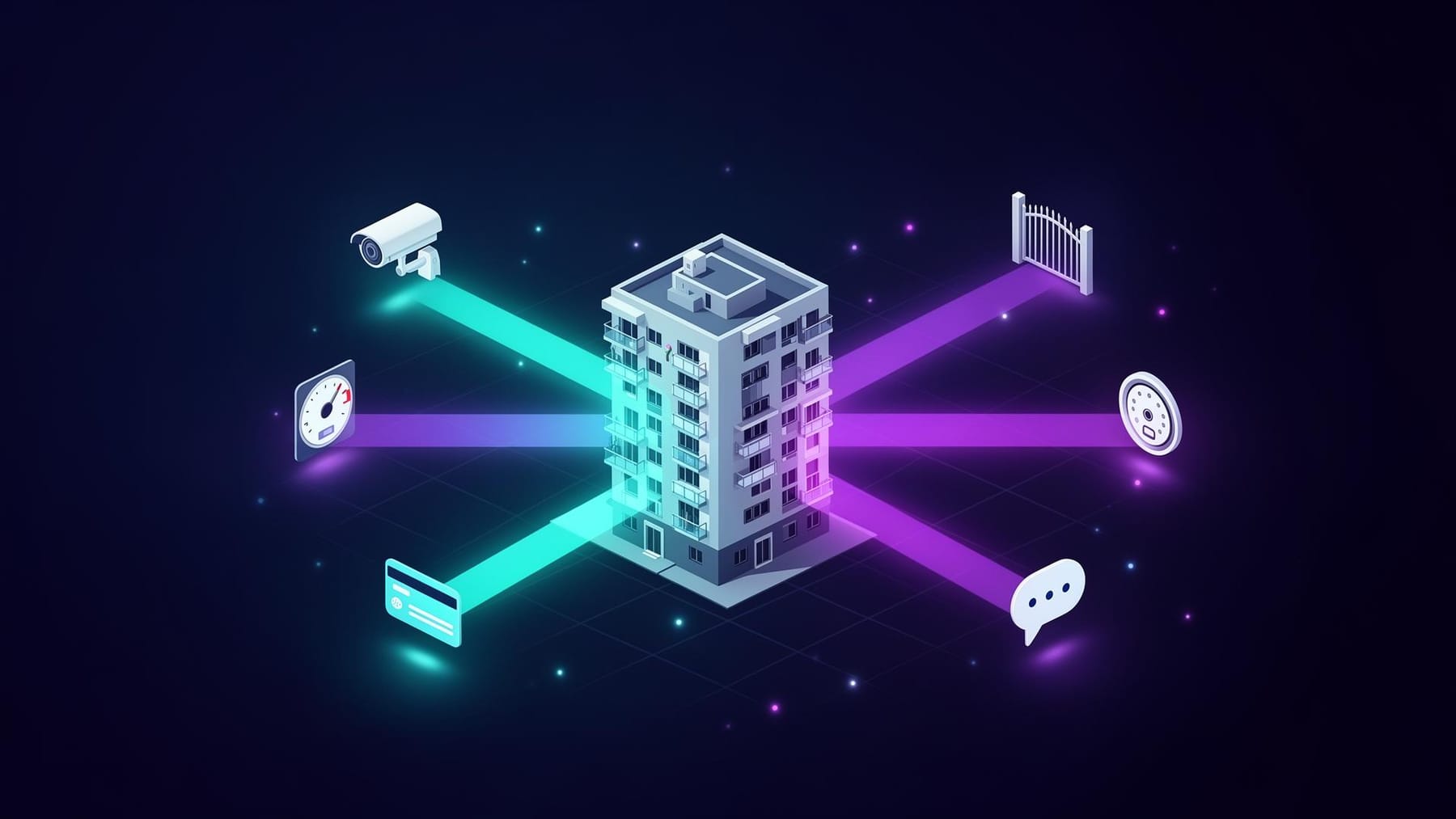
The Connected Backbone
of Housing Society Management
Modern housing societies operate like small cities. They manage infrastructure, utilities, finances, security, communication, and compliance — often with volunteer committees and limited operational bandwidth.
Yet most societies still rely on disconnected systems: one vendor for access control, another for meters, separate payment gateways, accounting software, spreadsheets, and manual coordination.
ADDA is built to solve exactly this problem.
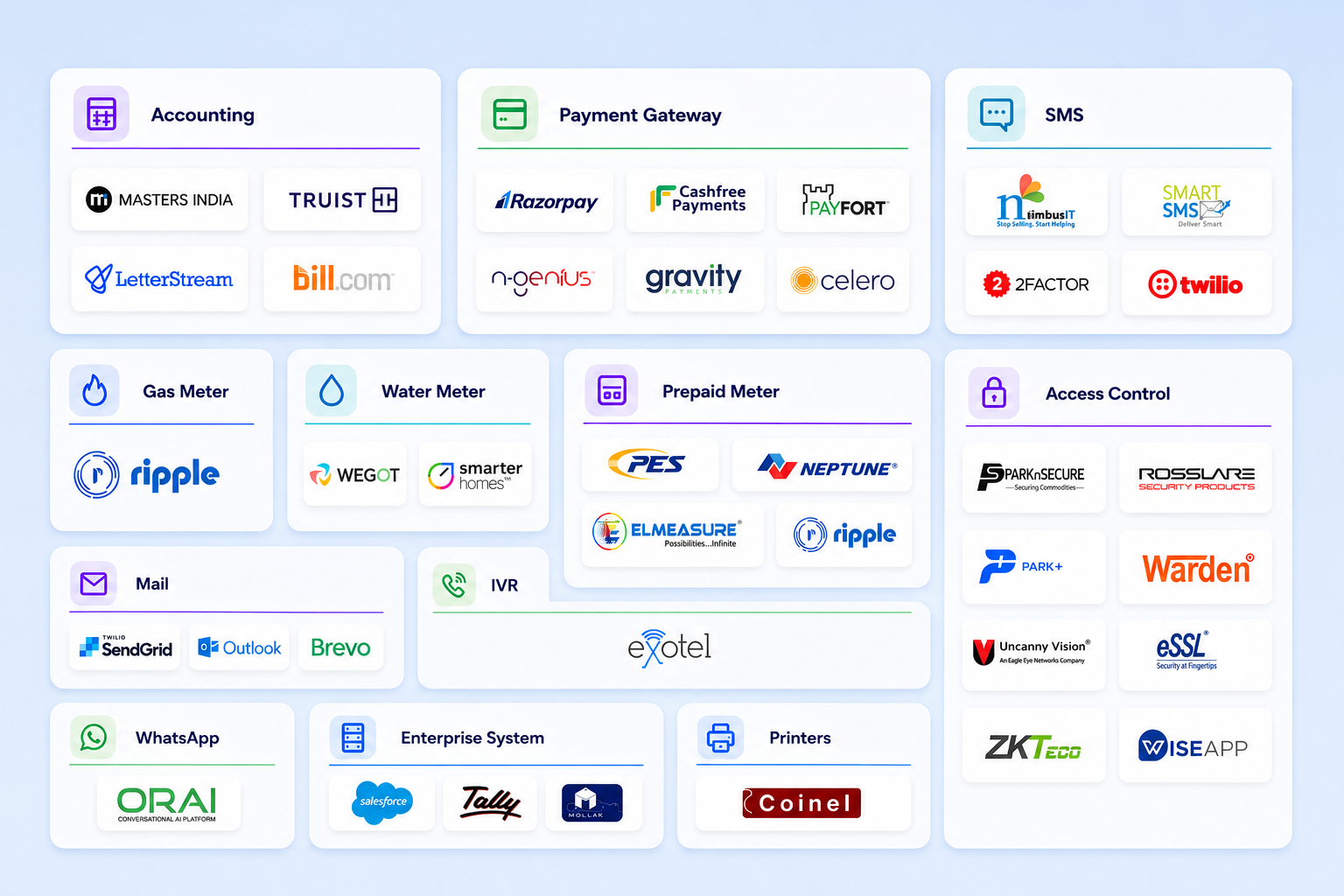
With 50+ deep integrations across software and hardware systems, ADDA functions as the central ERP backbone that connects every operational layer of a housing society — securely, transparently, and at scale.
50+ INTEGRATIONS
Access Control Hardware Integrations
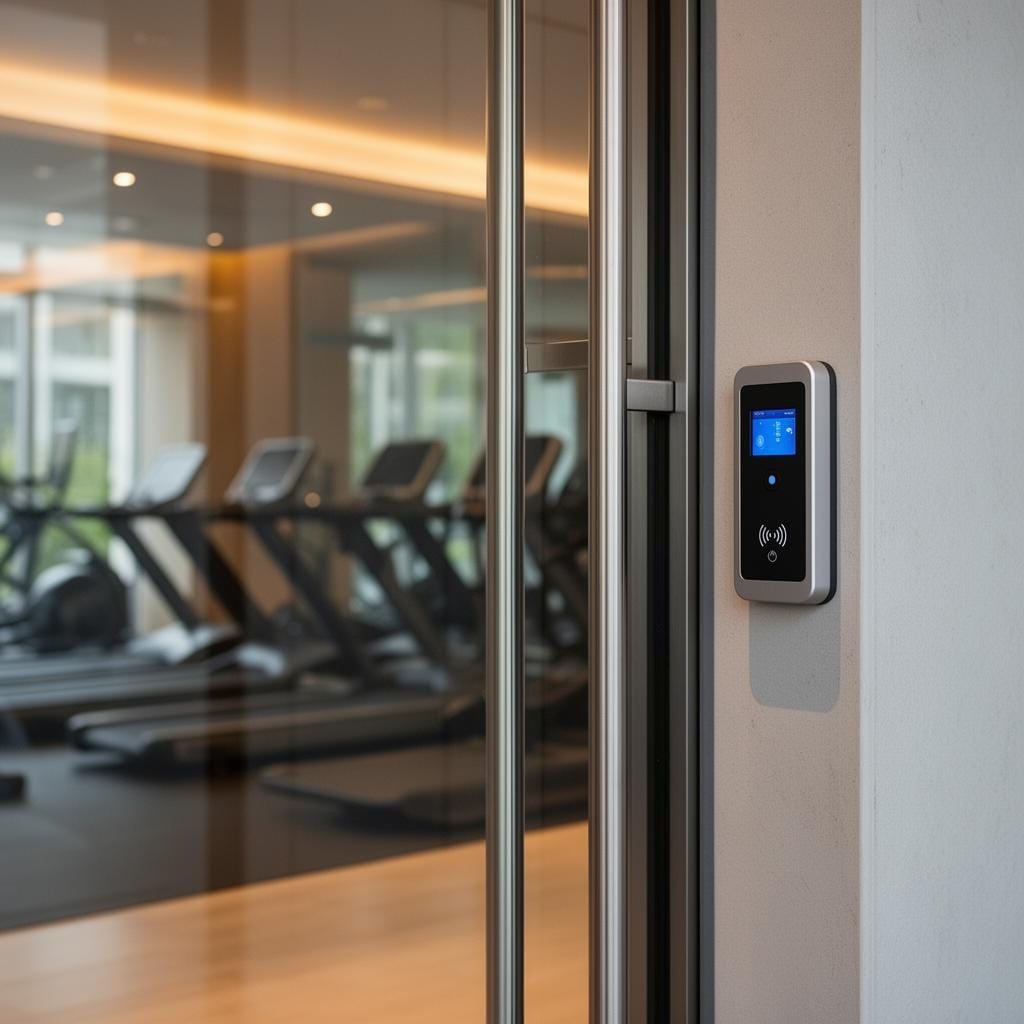
One of the most important areas of operation in a housing society is access control. It has an impact on the safety and comfort of residents, the tracking of visitors, and the accountability of staff.
Most housing societies already use a digital gatekeeping system these days. The real problem starts when physical hardware, like boom barriers, biometric machines, or door access controllers, works separately from the society's main data. When access information is stored in different places, updates don't happen right away. This can be a problem for residents and can create security holes.
ADDA solves this by being the main access authority. Access control hardware systems connect to ADDA through secure APIs. When a resident, vehicle, or staff member is added, changed, or removed in ADDA, the connected hardware automatically gets the news. The hardware checks access permissions in real time and lets people in or out. It then sends this information back to ADDA.
This means that access decisions are always made using the most up-to-date and accurate information, not old lists. Residents have no trouble getting in, committees know that the rules for access are always followed, and estate managers no longer have to work with many.
ADDA Integrates with Access Control Systems
ADDA integrates with a wide range of access control and security hardware systems, allowing societies to manage entry permissions from a single ERP instead of relying on isolated gate software.
ADDA integrates with leading access control providers, including:
These integrations ensure that resident access rights, staff permissions, and visitor approvals are governed by the same data used across billing, communication, and compliance workflows.
RFID Boom Barrier Integrations within ERP Workflows
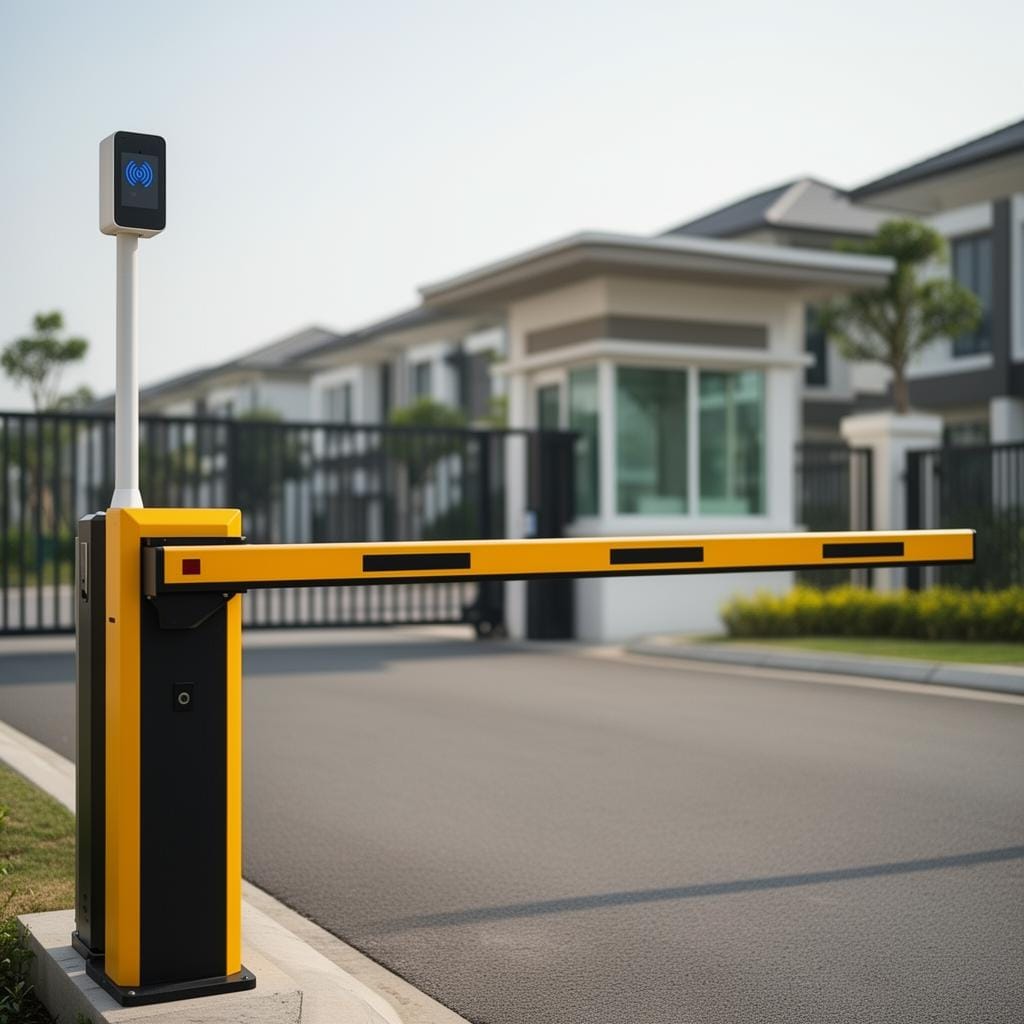
Many medium- and large-sized housing societies use boom barriers that work with RFID. ADDA connects these systems directly to its ERP.
A lot of housing societies use RFID tags to let cars in, but things go wrong when RFID systems use their own databases. When people add or remove cars from the society software but don't update the RFID system, access problems happen. Vehicles keep coming in even after people move out, or valid vehicles get blocked.
ADDA connects boom barriers that use RFID technology directly to the society's vehicle data. ADDA keeps a list of active vehicles, and the RFID system checks it in real time. ADDA checks to see if a vehicle is allowed when it gets close to the gate and reads the RFID tag. Then, it tells the boom barrier to open or stay closed.
When a tenant moves out of ADDA, for example, the RFID access is automatically taken away. ADDA keeps track of when people come and go, and the management team can see this information. Residents can get in faster without having to stop, committees can be sure that the access rules are being followed, and estate managers no longer have to manually coordinate updates with RFID vendors.
This means:
- Vehicle access is linked to flat ownership, tenancy, or approval status
- Entry decisions are validated against live ERP data
- Logs are automatically recorded for audits and dispute resolution
By embedding RFID logic inside the ERP, societies avoid parallel databases and reduce dependency on manual guard interventions.
ANPR (Number Plate Recognition) Integrations
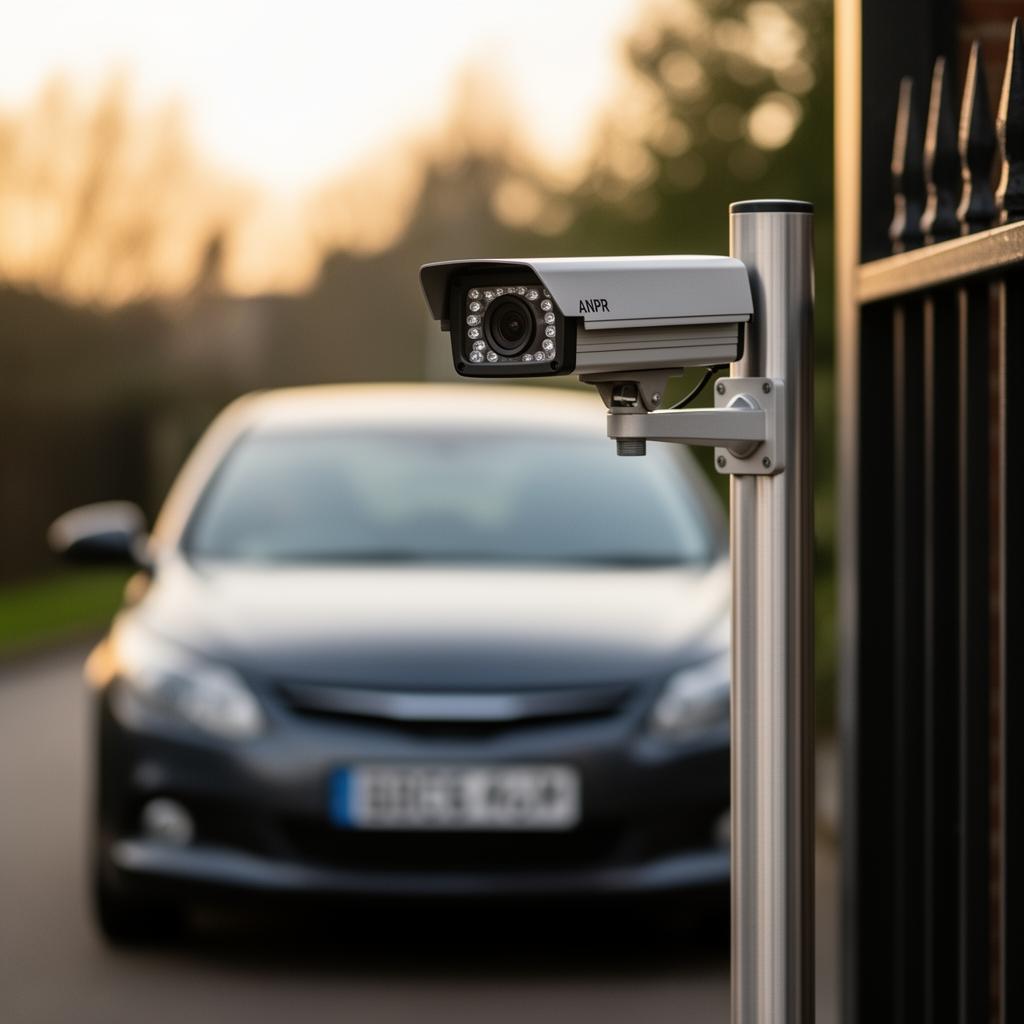
Residents of many modern housing societies don't want to use RFID stickers or access cards. But without proper system integration, number plate recognition systems still rely on manually kept vehicle lists, which can lead to wrong entries or missed recognitions.
ADDA connects ANPR systems directly to the society's vehicle database. ADDA keeps track of and stores vehicle numbers. When a car gets to the gate, the camera reads the license plate, checks it against ADDA in real time, and lets the car in or not.
This means that people who live there don't need to show stickers or carry access cards. The ANPR system shows any changes made in ADDA right away. For example, if you add a new vehicle or take away an old one, the ANPR system will show it right away. Data about people coming and going goes back to ADDA, which lets committees see how vehicles move around the community.
People who live in these housing societies benefit from being able to enter without having to use anything extra like RFID cards or stickers. Security teams cut down on manual checks. Committees can better control and see things without having to use different systems.
Biometric Authentication for Staff & Restricted Areas

ADDA integrates with biometric authentication systems, commonly used for:
domestic help and security staff attendance
housekeeping and facility teams
restricted-access areas like clubhouses, gyms, or service zones
Managing staff access and attendance is difficult when biometric systems operate independently. Changes in staff status often take time to reflect, leading to security risks and payroll disputes.
ADDA integrates biometric and facial recognition devices directly with its platform. Staff details are managed in ADDA, and access permissions are synced automatically to all connected devices. When a staff member checks in or out, the event is recorded instantly in ADDA. When a staff member is removed, access is revoked everywhere at once.
Residents feel safer knowing access is verified. Estate managers no longer chase registers or vendor reports. Committees gain confidence that only authorised staff have access, and attendance records are accurate and available whenever needed.
Integrations with providers such as eSSL and ZKTeco allow biometric events to flow into ADDA as structured records. Committees gain visibility into staff attendance and access usage, while auditors get time-stamped logs when required.
Utility Integrations
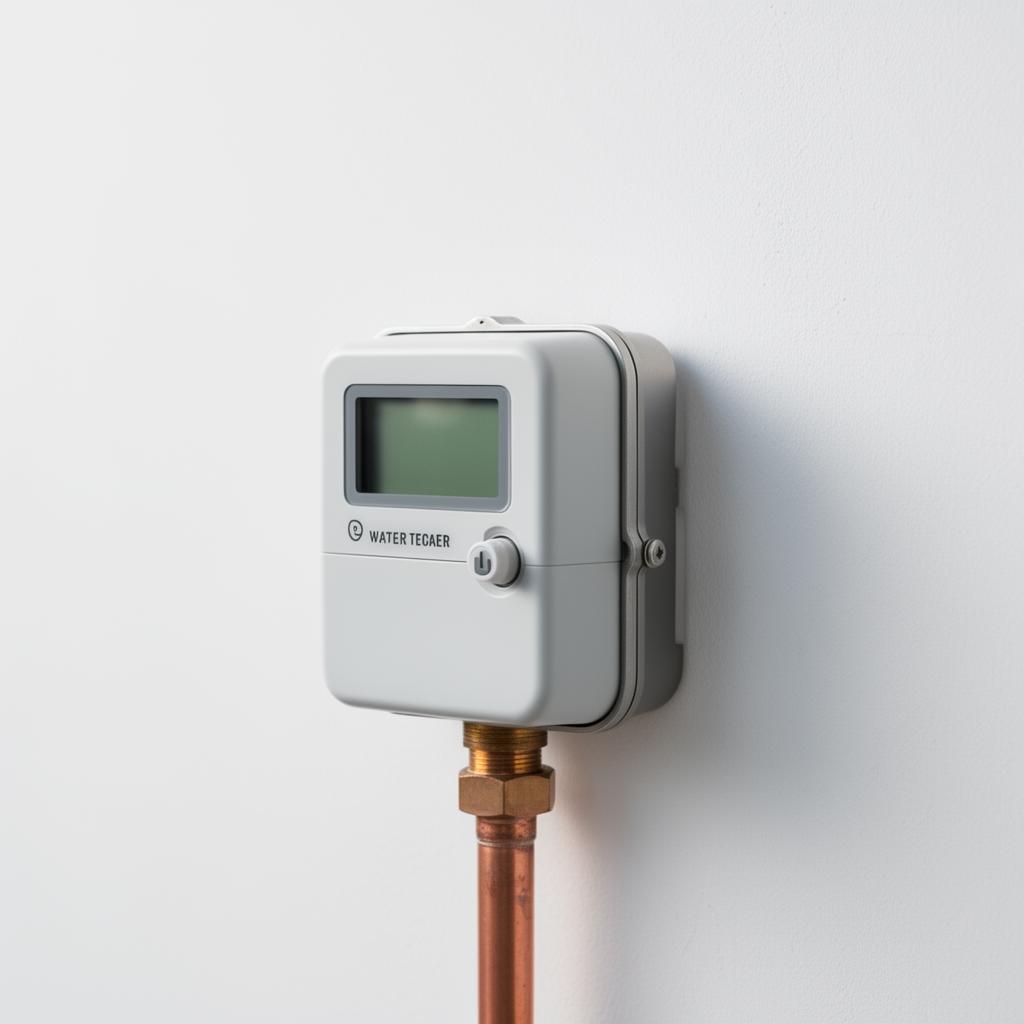
Automating the Most Error-Prone Part of Society Operations
Managing utilities like electricity, water, and gas is one of the most difficult and contentious parts of running a housing society. Errors, delays, and unhappy residents are caused by manual readings, vendor portals, and billing that is based on spreadsheets.
Many housing societies hire outside companies or use special systems to take care of utilities like electricity, water, and gas. These systems correctly figure out how much people use and send out bills, but residents have to check multiple apps or websites to see their bills and pay them. Then, committees have trouble because they can't see everything, payments are late, and residents are confused.
ADDA fixes this problem by connecting to utility billing systems at the invoice level. Instead of copying billing logic, ADDA connects each flat, apartment, or villa between the two systems and gets the final bills from the utility company. After that, ADDA shows these invoices next to the right unit, along with all the other society fees.
For residents, this means that they can see and pay all of their bills in one place. For committees, it means that collections will go more smoothly and be easier to see, without changing how utility companies do business.
ADDA doesn't want to replace utility billing systems that are already in place. Instead, it links them at the right time: the invoice.
By mapping units correctly and bringing invoices into ADDA:
- Residents get a single view of all charges
- Payments happen faster and with fewer errors
- Committees gain better visibility of dues
- Accountants work with cleaner, consolidated data
Utility billing remains accurate, while society management becomes simpler.
Prepaid Electricity Meter Integrations
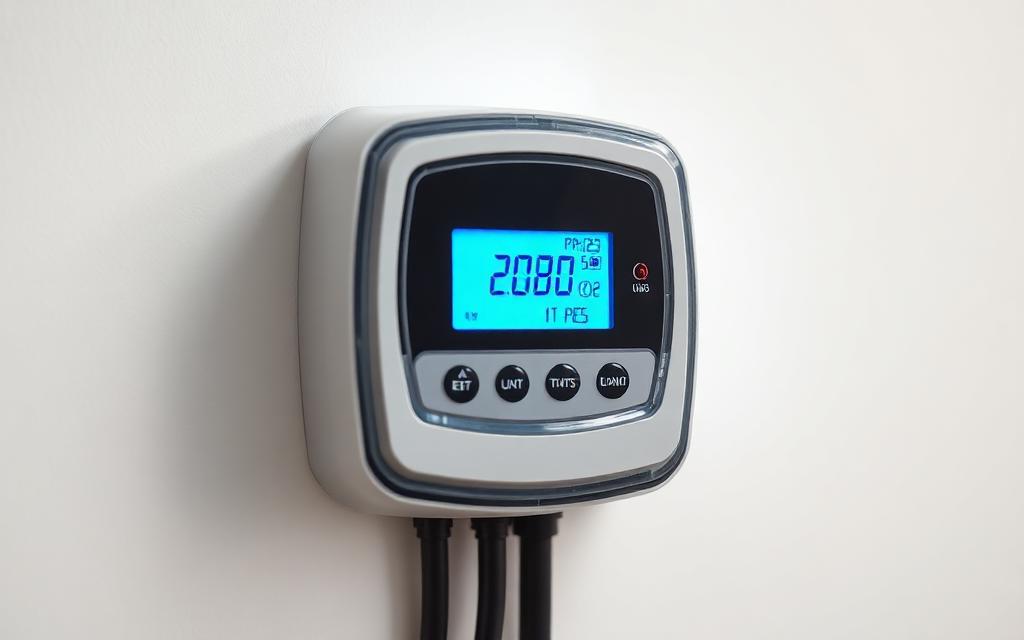
ADDA Integrates with Major Prepaid Electricity Meter Providers
ADDA integrates with major prepaid electricity meter providers, including:
Through these integrations:
- Recharge transactions sync automatically
- Meter balances update in real time
- Consumption data flows directly into billing workflows
- Manual uploads and vendor dependency are eliminated
Even when prepaid electricity meters are installed, housing societies often struggle with fragmented systems.
In many housing societies, residents do not receive a separate electricity bill every month. Instead, they pay a single maintenance amount, and electricity charges are adjusted from that amount based on actual consumption. While this model is convenient for residents, it becomes difficult to manage when electricity billing systems and society accounting systems work separately.
ADDA integrates directly with prepaid electricity meter providers like PES, Neptune, Elmeasure, and Ripple. When a resident recharges through ADDA, the payment is processed, the recharge is sent to the meter system automatically, and the updated balance is reflected immediately. The transaction is also recorded in the society's accounts.
Residents can clearly see their electricity balance and usage in the ADDA app. Committees no longer depend on manual files. Accountants get clean, automatic entries. Electricity billing becomes transparent, predictable, and dispute-free.
Water Meter Integrations

Water management is increasingly critical due to rising costs and sustainability requirements.
ADDA integrates with:
Water billing systems often work independently and generate invoices based on meter usage within their own platforms. The challenge arises when residents need to switch between systems just to see or pay their water bills.
ADDA integrates with smart water billing systems
ADDA integrates with smart water billing systems like WeGot and Smarter Homes by linking each water meter account to the correct flat or unit in ADDA. When the water billing system generates an invoice, that invoice is automatically pushed into ADDA and reflected under the resident's account.
Residents no longer need to check a separate app or website to know their water charges. Committees gain a consolidated view of outstanding water bills across the community. Payments become easier because residents can clear water dues along with other housing society charges in one flow.
Gas Meter Integrations
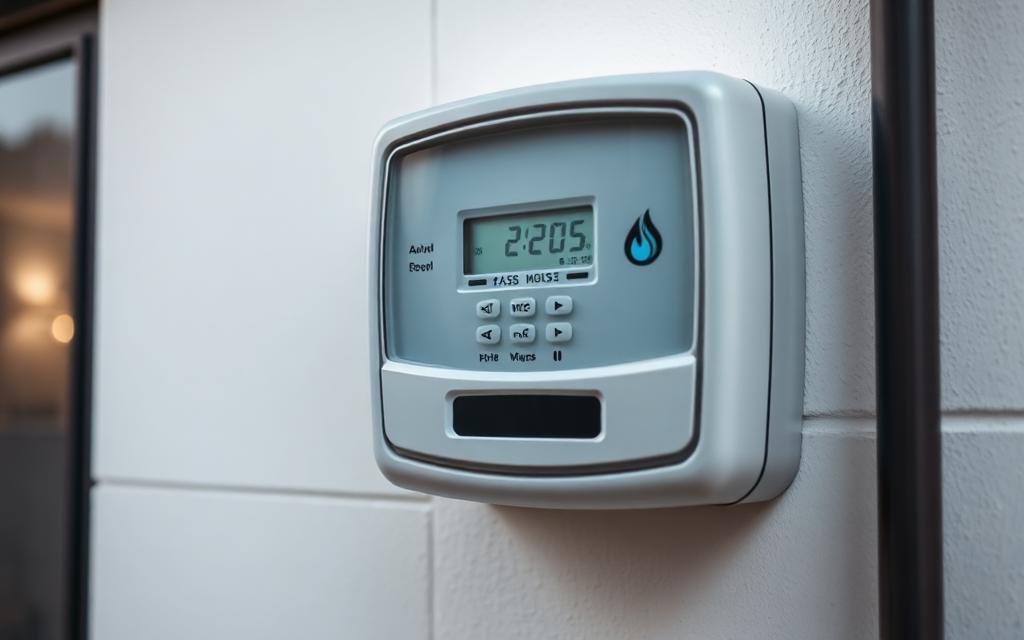
Gas billing is often treated as a separate process in housing societies, which results in fragmented billing and unclear outstanding amounts for residents.
ADDA integrates with gas billing systems such as Ripple by mapping gas billing accounts to units in ADDA. Once gas usage invoices are generated in the gas system, those invoices are pushed into ADDA and displayed alongside other charges for the unit.
Residents benefit by seeing gas charges clearly within the same app they already use for society-related payments. Committees and accountants benefit because gas dues are no longer tracked separately, reducing gaps in collections and reporting.
Financial Integrations
Payments, Reconciliation, and Audit Readiness
Financial operations are the backbone of housing society governance. ADDA's financial integrations are designed to ensure money moves cleanly, reconciles automatically, and remains audit-ready.
Payment Gateway Integrations by Geography
ADDA supports societies across multiple geographies and integrates with region-appropriate payment systems:
Region 01
India
- Razorpay
- Cashfree
Region 02
UAE
- PayFort
- NGenius
Region 03
USA
- Gravity
- Celerio
Payments come in through a variety of ways in many housing societies, such as bank transfers, checks, and payment links. The real work begins after the money gets to the society's bank account. Someone needs to find out who paid what, for which flat, and for which dues. If a resident forgets to include their flat number or purpose when making a bank transfer, estate managers and accountants have to spend hours tracking down and fixing the mistakes. This becomes a daily problem in big apartment complexes.
Payment gateways get to the bottom of this problem.
When a resident pays through an ADDA-integrated payment gateway, the payment is already connected to the right flat or unit. When the payment goes through, the system automatically posts the accounting entry for that unit, makes the receipt, and updates the balance that is still owed. There is no need to do any manual mapping, guess, or follow up. Because the payment, the receipt, and the unit are already linked, reconciliation happens automatically.
On the other hand, payments made by hand through bank transfers or deposits rely heavily on the estate manager to figure out who sent the money and make sure it goes to the right flat. Payments stay unallocated, residents get the wrong dues, and accountants waste time fixing mistakes when information is missing or wrong.
Residents get instant receipts and clarity when they use payment gateways. Management committees get collection data that is correct and up to date. Estate managers don't like to follow up every day. Accountants use books that are clean and fully reconciled. This one change gets rid of one of the biggest sources of operational friction for big housing societies.
E-Invoicing Integration
Built for GST Compliance in Housing Societies
GST compliance can be risky for housing societies if invoicing is handled manually. Errors, delays, and missed filings can lead to penalties.
ADDA integrates with Masters India to automate e-invoicing. Invoices created in ADDA are sent for GST approval automatically. Approved invoices with QR codes and reference numbers are attached back to the bill without any manual uploads.
Accountants save time. Committees reduce legal risk. Auditors get clear, verifiable records. Compliance becomes part of the normal billing flow instead of a separate burden.
Through this integration:
- Invoices generated in ADDA are sent securely for IRN generation
- QR-coded, GST-compliant invoices are returned automatically
- Manual JSON uploads and GST portal logins are eliminated
- Every invoice remains tamper-proof and audit-ready
This is particularly important for large RWAs, mixed-use developments, and professionally managed communities where compliance errors can attract penalties.
Tally Compatibility
Respecting Existing Accounting Ecosystems
Tally is one of the most widely used accounting tools in India, and most society accountants are comfortable with it. It is reliable for bookkeeping and statutory accounting, which is why many housing societies continue to use it.
However, Tally also creates two practical challenges in the context of housing societies. First, it does not provide live visibility of accounts and reports to management committee members, residents, or estate managers. Access is usually limited to the accountant, which makes day-to-day financial transparency difficult. Second, Tally is a generic accounting tool. It is not designed specifically for housing society use cases, which means accountants often rely on workarounds and manual processes.
This is where ADDA comes in. ADDA is built specifically for housing societies and makes daily accounting, reporting, and visibility much easier for all stakeholders. At the same time, it is common for societies to go through a transition period where accounting continues in Tally while operations gradually move into ADDA.
To support this transition, ADDA works alongside Tally through structured import and export, not through direct API integration. Financial data such as receipts, payments, and journal entries can be exported from ADDA in Tally-compatible formats and imported into Tally as needed. This allows both systems to work hand in hand during migration, without disruption.
Accountants can continue using Tally while gaining the benefits of ADDA's society-specific workflows. Management committees get better visibility. This ensures societies don't need to choose between modern ERP workflows and existing accounting practices. Both can coexist without duplication.
Communication Integrations

Reliable, Official, Multi-Channel Messaging
Housing Society Communication
Housing society communication is mission-critical. Missed messages cause problems: unpaid dues, missed notices, and safety issues. Depending on a single communication provider increases risk.
ADDA integrates with multiple SMS, email, WhatsApp, and IVR providers so societies can choose reliable channels and ensure delivery. All communication sent through ADDA is official, trackable, and not mixed with advertisements.
With ADDA's integrations, residents receive timely updates. Committees communicate confidently, estate managers reduce confusion and follow-ups.
ADDA integrates with multiple communication providers to ensure delivery reliability:
SMS
- NetCore
- 2Factor
- RouteMobile
- NimbusIT
- Smart SMS (Dubai / Kingfield)
- Twilio (USA)
- MyValueFirst (Embassy India)
- SendGrid
- Outlook
- Brevo
IVR
- Exotel
- ORAI
- Zoho
These integrations allow societies to choose trusted communication pipes while ensuring messages remain official and auditable.
Enterprise & Regional Integrations

Built for Developers, Global HOAs, and Large Portfolios
ADDA is used not just by individual housing societies, but also by:
- large developers
- global property managers
- accounting service providers
- multi-property portfolios
Large developers and property managers often run multiple systems like CRMs and dashboards. These systems need accurate, real-time community data.
ADDA provides APIs that allow external systems to connect directly with its data. Visitor information, access permissions, and financial data can flow securely between systems.
This allows organisations to scale without breaking workflows. ADDA becomes the system everything else connects to.
To support this, ADDA integrates with:
- Mollak (UAE government's landmark and visionary initiative to streamline Owners Association Management)
- Physical printers like CoiNel
- Region-specific banking and operational systems
This allows ADDA to scale cleanly across cities and countries without re-architecting workflows.
ADDA — One Unified Architecture
What differentiates ADDA is not the number of integrations, but how they are architected.
All systems connect through a single ADDA ERP architecture, ensuring:
- no data silos
- no parallel systems
- no vendor lock-in
- no hostage data
This closed, verifiable loop is what makes ADDA the true operating system of a housing society.
ADDA doesn't sit beside your infrastructure. It is the infrastructure your housing society runs on.
The Connected Backbone of Housing Society Management.
50+ integrations. One unified platform.